

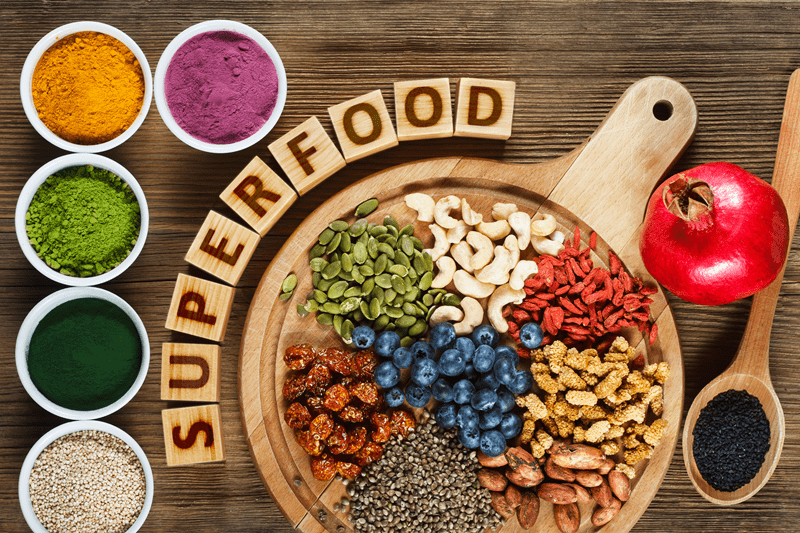
If someone says “eat healthier” and your brain instantly pictures bland salad and sad soup, you are not alone. The idea of a superfoods list can sound fancy or even a bit gimmicky, but in reality it is just a simple way to remember which foods give you the most “return on investment” for every bite.
These are the foods that quietly help your heart, brain, gut and immune system at the same time. They are packed with vitamins, minerals, fiber and natural plant compounds like antioxidants, and they slip into everyday meals without a lot of drama. No weird powders required.
This guide walks through why superfoods matter, which ones are worth keeping on your radar, and how to turn a superfoods list for everyday eating into a habit rather than yet another unrealistic health promise.
So what actually belongs on a practical superfoods list for everyday eating. It helps to start with groups rather than only single items, because that makes shopping and cooking much easier.
Berries are an easy win. Blueberries, strawberries and raspberries bring color, fiber and plenty of antioxidants. Toss them into yogurt, oats or smoothies instead of always reaching for sugary snacks.
Leafy greens like spinach, kale and mustard greens are classic nutrient-dense foods. They might not look exciting on their own, but add garlic, olive oil, lemon and a bit of salt and they suddenly become something you actually want with dinner.
Fatty fish such as salmon, sardines and mackerel are often ranked among the best superfoods for health and wellness because of their omega 3 content. If you do not like fish, you can still aim for plant sources like flax seeds and walnuts, but having fish a couple of times a week is a strong option.
Nuts, seeds, beans, lentils and whole grains all deserve a spot too. They support a healthy diet by bringing in protein, fiber and slow digesting carbs that keep blood sugar steadier through the day.
The word “superfood” is not a strict scientific term. No nutrition textbook has a chapter titled superfoods list. But some foods really do stand out as especially rich in nutrients compared to their calories. These are often called nutrient-dense foods, and they help fill nutritional gaps without needing a complicated meal plan.
Think about blueberries, leafy greens, nuts or salmon. Each one brings a crowd of helpful compounds. Fiber for digestion, omega 3s for the heart and brain, natural antioxidants that help protect cells from everyday wear and tear. When you build meals around these kinds of ingredients, improving your health feels less like a strict project and more like slowly upgrading your usual plate.
The key is to focus on patterns, not perfection. You do not need to eat every trendy berry on Instagram. You just need a reliable set of regulars you can grab from the shop each week.
Having a list is nice. Using it between work, kids, traffic and random life chaos is another thing. This is where people usually get stuck they know what the best superfoods for health and wellness are, but they do not see how to fit them into quick breakfasts or rushed dinners.
One simple trick is to build your standard meals around one or two superfoods at a time. For example, if you already like morning oats, stir in berries and chia seeds. Suddenly that bowl has more fiber, more healthy fats and a longer staying power.
For lunch, trade a plain sandwich for a bowl that mixes greens, beans, roasted vegetables and a protein like egg or chicken. You have just layered several superfoods together without making anything complicated.
Over time, patterns like this quietly shape a more healthy diet without needing a big “from Monday everything changes” moment that never lasts.
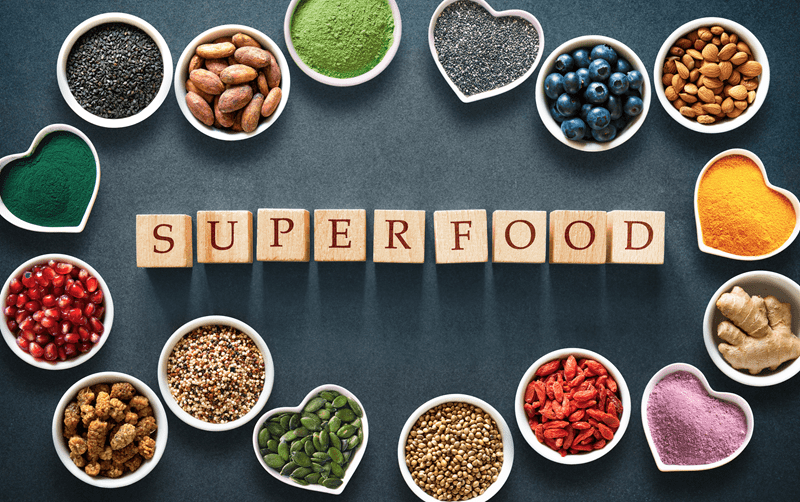
To keep things practical, it helps to write a short superfoods list before grocery shopping. Think of it like a core section of your list that rarely changes, even if you swap recipes.
You might choose berries, leafy greens, carrots, broccoli, eggs, Greek yogurt, oats, beans, nuts, seeds and at least one fatty fish. Those alone give you a strong base of nutrient-dense foods for the week.
Then add a couple of fun extras that you genuinely enjoy, like dark chocolate, avocado or hummus. This stops the plan from feeling strict or boring. The more you enjoy the taste of these foods, the more likely you are to use them daily.
It is easier to stick with something when you can picture it on a plate. Here are a few quick ideas that use items from a typical superfoods list for everyday eating.
Breakfast could be Greek yogurt with berries, a drizzle of honey and a sprinkle of nuts or seeds. Balanced, not fancy.
Lunch might be a big salad bowl with mixed greens, chickpeas, chopped vegetables and grilled chicken or paneer. Add olive oil and lemon for a quick dressing.
Dinner could be baked salmon with roasted sweet potatoes and steamed broccoli. Plenty of antioxidants, good fats and fiber all in one go.
Snacks might be apple slices with peanut butter, a small piece of dark chocolate paired with nuts, or veggie sticks with hummus. Over a week, these small choices add up.
Even the most impressive best superfoods for health and wellness only work inside the bigger picture of your lifestyle. Sleep, stress, movement and hydration still matter. Superfoods are not a shortcut that cancels out every late night or fast food order.
What they can do is raise the quality of your daily intake so your body has better building blocks to work with. When someone eats more fiber, more color and more whole foods most days, their healthy diet naturally supports energy levels, digestion and long term health markers.
It also becomes easier to crowd out some of the ultra processed snacks and sugary drinks simply because there is less room and less craving for them.
One of the fastest ways to ruin a good plan is to turn it into a strict rule book. If you treat a superfoods list like a pass or fail exam, one busy week will make you want to quit. Instead, think of it like a toolbox. Some days you use more tools, some days fewer, but they are always there.
You do not need to eat perfectly to feel better. You just need to lean slightly more often toward the best superfoods for health and wellness and slightly less often toward the ultra processed stuff. If lunch is not ideal, dinner can still be a win. If you travel or have a rough week, you can start again with the next shop, not the next year.
Being kind but honest with yourself works much better than chasing some imaginary “perfect” standard that no one actually lives up to.
Most people include berries, leafy greens, nuts, seeds, beans, lentils, whole grains and fatty fish. These are all nutrient-dense foods that deliver a lot of vitamins, minerals, fiber and helpful fats for their calorie cost and fit easily into normal meals.
No. Even a long superfoods list for everyday eating is not enough on its own. You still need overall balance, enough protein, plenty of water, sleep and movement. Superfoods enhance a sensible pattern they do not replace it or cancel out lots of processed snacks.
Some can be pricey, but many are basic staples like oats, beans, carrots, cabbage and frozen berries. A healthy diet built around simple superfoods does not need fancy products. Shopping seasonal produce and using frozen options can keep a superfoods list budget friendly.
This content was created by AI