


High-protein foods are usually considered to be fundamental components of a healthy, balanced diet, and they are especially beneficial for people who are looking to build muscle, increase their energy levels, or manage their weight. A diet rich in protein, especially lean protein sources, will provide benefits such as repairing muscle tissue, boosting metabolism, and increasing overall energy and vitality. The various types of high-protein foods you can choose from can help in your efforts for weight loss, along with obtaining the best type of protein you need to support the growth of healthy muscles throughout the years.
Protein plays hundreds of crucial roles in the body. Incorporating foods high in protein into your everyday meals aids in muscle recovery and hormone regulation . Dietary protein, through its amino acid content, is utilized by the body for the formation and repair of tissues. It is especially vital for individuals participating in fitness and athletics, as well as those wishing to eat foods for energy and muscle-building purposes.
A well-planned protein plan also enhances appetite control, making the consumption of high-protein foods for weight loss a must-have for maintaining fat reduction. And for those working on strength or physique improvements, the best protein foods for muscle growth offer the support they need for faster recovery and stronger performance.
Eating plans rich in protein keep you full longer and increase your metabolism, allowing your body to maximize energy over the long term with a steady stream of protein throughout the day. And because lean proteins provide higher-quality nutrients than fatty proteins, many consumers prefer to consume lean protein sources rather than spend calories on less healthy sources of protein. With either plant or animal sources of protein designed for muscle building, you will have a better ability to build muscle, and as a result, a better overall body composition.
Let’s discuss the key points you should know about the benefits of a protein-based diet:
This makes total sense. A protein-rich diet increases thermogenesis, the number of calories your body uses for digestion. That simply means you burn more energy processing protein compared to carbs or fats. Include high-protein foods for weight loss, like turkey, lentils, and Greek yogurt, in your diet that support this process naturally.
Protein-rich foods that have a lower fat content, like chicken breasts, tuna, cod, egg whites, tofu, and low-fat dairy products, contain all of the essential amino acids needed by humans for protein synthesis while avoiding too much saturated fat, thus making them complete protein sources. Also, these provide the best possible muscle-building protein because they provide strength, recovery times, and continuous energy for daily tasks.
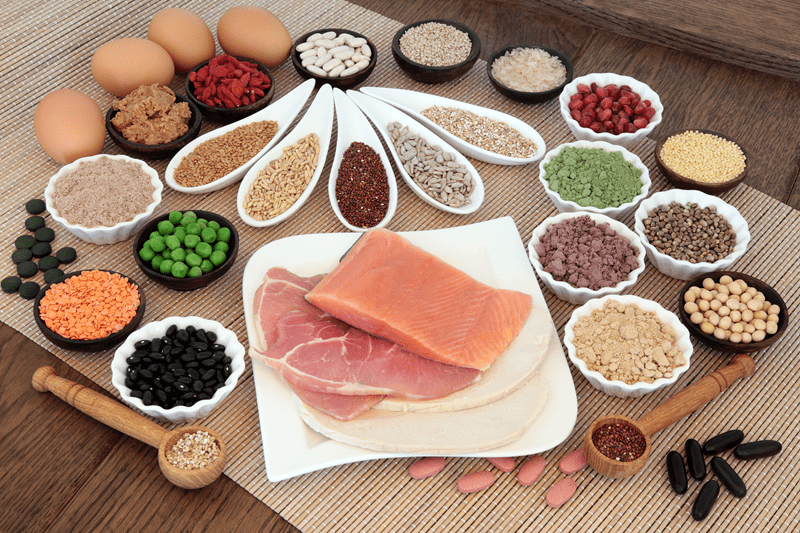
The right food choices among high-protein foods can make a big difference in how you feel, train, or manage your weight. The list below includes a number of the most effective choices you might consider for building a strong, protein-based diet for long-term wellness. Each item works well for people focused on lean proteins, muscle-building foods, and high-protein foods for weight loss.
One of the most commonly consumed lean proteins, chicken breast is low in fat, available at a reasonable price, and highly versatile. It is also one of the top protein foods to build muscles with the addition of resistance training exercises. Add grilled chicken to any salad, wrap, or rice bowl for an easy protein addition.
Eggs provide essential amino acids and contribute to healthy brains and muscles. They work perfectly in a high-protein diet, and egg whites are considered one of the best high-protein foods for weight loss due to their extremely low caloric content and very high satiety levels.
Greek yogurt offers a serving of probiotics, calcium, and muscle-supporting protein. It's great for those individuals who want muscle-building foods that digest slowly and keep hunger under control. Mix it with nuts or fruit, and you have a full, balanced meal.
Tuna, salmon, and cod provide powerful nutrition. They are excellent lean proteins full of omega-3 fatty acids that keep your heart and joints healthy. They also rank as top high-protein foods for everyday wellness and quick muscle recovery.
Lentils, chickpeas, and black beans provide high levels of fiber, minerals, and protein for vegetarian and vegan diets. Plant-based options are ideal in high-protein foods meant to cause weight loss and fit well into any protein-enriched diet.
Cottage cheese is one of the best yet most underrated foods to consume if you want to build muscle. It contains casein, which is a slow-digesting form of protein that is perfect for repairing and rebuilding muscle, making cottage cheese a popular choice for anyone who wants to pack on lean muscle mass.
Turmeric breast is another great food choice because it is lean protein (high in protein and low in fat), and therefore, it is an essential food source for anyone looking to build lean muscle. Many athletes and fitness aficionados include turmeric breast as part of their diets and workout routines.
Soy products, such as tofu and tempeh, contain good protein, low fat, and essential micronutrients. They are, therefore, excellent high-protein foods for plant-based eaters who want to improve their overall protein-rich diet.
When trying to lose weight, choosing the right high-protein foods for weight loss helps control cravings and simultaneously builds muscle while cutting fat. These are foods that digest slowly and help maintain stable blood sugar levels. Sources of nutrition that combine flavour and fullness without providing too many calories include salmon, turkey, beans, and Greek yogurt.
Eating a protein-rich diet is associated with having an easier time feeling full, decreasing the likelihood of overeating, and being energized throughout the day.
Eating less fat can help with successful fat burning while maintaining strength by pairing lean protein with vegetables and whole grains.
Muscle-building foods should be consumed regularly along with sufficient recovery and workout sessions. The best protein-rich foods for building muscles are eggs, seafood, poultry, Greek yogurt, cottage cheese, and tofu. All of these contain a complete amino acid profile, which is essential to repair and regenerate muscle fibers.
A protein-rich diet will increase the rate of protein synthesis in the body, enhance energy availability for exercise, and increase the amount of lean body mass. When combined with an effective exercise program, these three components will yield excellent fitness results.
It isn't hard to create a daily plan that focuses on high-protein foods. Use this outline as your guide in creating your daily nutrition plan. Breakfast consists of eggs or Greek yogurt and possibly oatmeal made with protein as the primary ingredient. For lunch, you could eat a chicken breast, turkey breast, canned tuna, or tofu with vegetables. Dinner may consist of fish, beans, low-fat cottage cheese, and/or very lean beef. Snacks can include nuts, seeds, yogurt, and/or protein shakes.
Having a mixture of both lean, high-quality ("good") protein sources, along with a blend of plant and animal protein sources, will allow for a consistent flow of nutrients into your body, as well as support healthy intestinal function and a balanced diet.
A diet that focuses on a high-protein food source allows you to have the energy to maintain an active, strong, and resilient life. Whether you are looking to lose fat or gain muscle, having an appropriate structured diet based on the correct types of plant and animal protein as well as the correct foods for creating muscle tissue, will allow you to obtain the goals you set for yourself!
Muscle recovery, regular energy levels, and maintaining a healthy metabolism are major functions of protein-rich foods because they supply the nutrients your body requires to function daily. In addition to controlling hunger, increasing strength, and providing the necessary nutrients, protein-rich foods supply your body with these benefits.
The main lean proteins are chicken breast, turkey, fish, eggs, tofu, and Greek yogurt. These foods offer complete amino acids that help strengthen, repair, and grow muscle tissue efficiently.
A high-protein diet can aid in weight control by providing increased satiety for more extended periods than other foods, decreasing the tendency to overindulge, assisting with increased energy requirements (metabolism), and preserving muscle tissue when reducing overall fat.
Eggs, salmon, tuna, chicken breast, cottage cheese, and tofu are considered the best protein foods for building muscles. These foods provide high-quality protein, which is essential for muscle repair.
Include protein in every meal by using eggs, fish, poultry, tofu, beans, and dairy products. Pair lean proteins with vegetables and whole grains to keep a balanced and steady nutrition level.
This content was created by AI