


Most people do not consider keeping their bones healthy on a daily basis, yet bones have an impact on almost all activities you do, such as walking, lifting, bending, and even sleeping comfortably. And should you have to wonder why having strong bones is more important as you age, or why a simple daily routine can keep much bigger issues like osteoporosis at bay, then you are at the right place.
In this blog, you will be taken through easy bone health tips, how to prevent osteoporosis in a natural way, and easy steps that can be followed by beginners so as to develop stronger bones in the long run.
It is important to remember that your bones are alive before plunging into exercises, nutrition, and a change of lifestyle. They break down and remodel all the time, so your habits today will directly influence how well you will be able to break down or remodel in the future. We discuss simple exercises that can be performed by almost any adult regardless of fitness levels and age in the following.
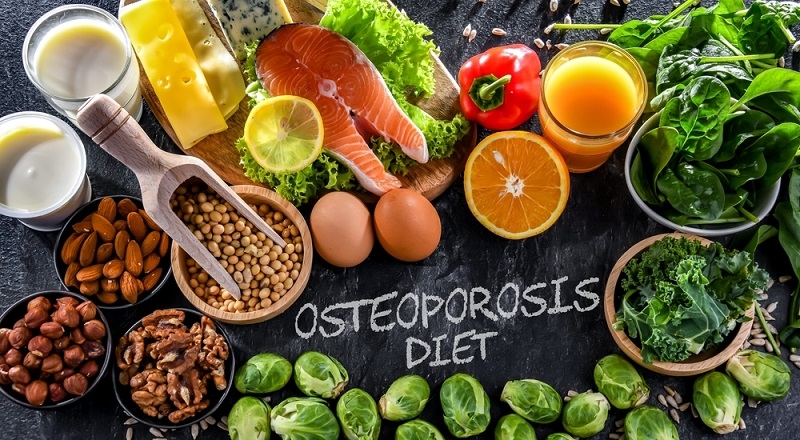
The strong bones are based on calcium. It is used in daily functions in your body and in times of need; it degrades your bones, lowering their strength gradually. It can make a great difference by adding small amounts of calcium-containing foods between your meals.
Food sources of calcium are milk, yoghurt, cheese, almonds, tofu, broccoli, and leafy greens. You can increase your calcium consumption without additional effort, even when making simple substitutes, such as consuming fortified orange juice or adding yogurt to breakfast.
Vitamin D assists your body in acquiring calcium and is equally important. Adults in the USA are also deficient in vitamin D without having an idea of it. Ten or fifteen minutes of sunlight a couple of times per week can work; however, foods such as salmon, yolk of eggs, mushrooms, and fortified cereals also promote your levels.
Your bones don’t rely on calcium alone. They also need magnesium, vitamin K, and protein. A balanced plate with colorful vegetables, lean proteins, whole grains, and healthy fats naturally supports your bone health. When your meals are varied, your bones get the nutrients they need.
Strong bones come from movement. The more pressure you put on your bones through safe, regular activity, the stronger they become. Let’s explore exercises that truly support your bones and fit easily into daily life.
These exercises force your body to move against gravity. Activities like brisk walking, light jogging, climbing stairs, or dancing strengthen your hips, spine, and legs. You don’t have to be a fitness expert — even a 20-minute walk can help your bone density over time.
Resistance exercises use weights or resistance bands to challenge your muscles and bones. This could be simple movements like bicep curls, squats, or shoulder presses. As your muscles strengthen, they pull on your bones, stimulating bone-building cells.
Your diet shapes your bone health far more than most people realize. What you eat every day can either protect your bones or weaken them. Let’s break down habits that are easy to follow and effective.
Protein plays a key role in bone and muscle development. Adults who don’t eat enough protein often lose bone strength faster. Aim for small portions of lean meats, beans, lentils, eggs, or dairy in each meal.
High salt intake causes your body to lose more calcium through urine. Likewise, drinking too many sodas may lower bone density. You don’t have to give these up completely — just be mindful of how much you consume.
Osteoporosis can feel scary, but the good news is there are many natural ways to prevent osteoporosis — even later in life. These steps focus on supporting your body’s natural ability to rebuild bone.
Sitting for long periods weakens muscles and slows bone regeneration. Try standing up, stretching, or walking every hour. Small movements add up.
In women, bone loss can become rapid during menopause and in the post menopause period. It is advisable to be educated about the stages of changes in hormones and communicate with a medical institution in instances of necessity in order to keep bones strong.
Smoking causes weakening of bones and retards healing. Similarly, excessive consumption of alcohol will disrupt the absorption of calcium in the body. Reduction helps to have healthier bones.
Whether you are in your 20s or late 60s, your bones require care. These are the tips that can be used by adults regardless of their age and lifestyle.
These are your optimum bone-making days. Exercising, consuming healthy foods, and being free of bad habits make your bones strong enough to withstand the decades.
As people age, bone density diminishes naturally; hence, this is a time to invest in strong-bone activities and a well-balanced diet. The rapid loss of bone can be prevented by adding resistance training or minor changes in food.
Prevention of falls at this point is no less significant than the increase in bone density. Balance, flexibility, and gentle strength training should be considered as a priority. Never underestimate the significance of community fitness classes, walking groups, or yoga; they will keep you active.
Bones are permanent, and you can afford to take care of them today; it is worth it in the long run. It may be because you are trying to make yourself stronger by the use of bones, or it may be to make your bones become stronger or more tangible, as well as trying to prevent osteoporosis using natural methods, but small everyday steps really are significant. Healthy eating habits, body workouts, and maintenance of lifestyle can help you maintain your mobility and independence throughout your lifespan because of the presence of calcium in the foods you eat.
Foods with calcium, such as dairy, greens, tofu, and fortified foods, are useful in providing the natural support of strong bones.
You should strive to do at least 150 minutes of physical exercise per week (both weight-bearing and resistance exercises).
Yes, a good diet and physically activity, vitamin D, not smoking or over-indulging in alcohol will reduce the risks.
The older you are, the slower your body recloses bone. The bone loss is accelerated by hormonal changes, lack of activity, and intake of low levels of nutrients.
This content was created by AI