


Understanding the importance of gut health is gradually becoming a fundamental aspect of contemporary wellness. According to research, it influences mood, immunity, energy, and even future health. In a way, if your gut is healthy, your whole body is rejuvenated and works without any glitches.
But if your gut is thrown off balance, it may cause pain and psychological and physiological disorders. This is the reason why it is so important to concentrate on digestive wellness and commit to making small daily lifestyle changes. Let's dive deeper into gut health importance.
The very first step in understanding the importance of gut health is the proximity of the gut to the rest of the body. Your gut communicates with your brain not directly but via the gut-brain axis. This bond affects mood and emotional stability. When your microbiome is balanced, you may experience that your mind is more lucid and relaxed. A weakened microbiome can cause symptoms such as bloating, lack of energy, and sudden changes in mood.
Besides, a strong microbiome is a source of power for the immune system. Almost 70% of immune cells are located in the intestines, and this explains why gut health is so deeply related to immunity. A balanced microbiome equips your body with the ability to resist infections and recover quickly from illnesses.
Microbiome balance is one of the most important factors for sustained well-being. This implies that the gut has a sufficient number of good bacteria as opposed to bad ones. The decisions you make today, like eating, sleeping, or working out, will determine your gut health tomorrow. Good bacteria defend against viruses and bacteria while at the same time scavenging free radicals.
Yet stress, lack of sleep, low intake of fiber, and processed foods cause microbiome dysfunction. When this takes place, the gut barrier gets damaged, and bacteria that are harmful can multiply rapidly. This bacterial imbalance affects cardiovascular health, metabolism, and even skin health. This is why an expert on gut health always recommends consuming gut-friendly foods and adopting lifestyle habits that will help the microbiome stay strong.
Good food choices are the most practical means of digestive wellness and microbiome strengthening. These foods are the best for gut bacteria and, at the same time, are the least likely to cause digestive troubles.
Here are some easy gut-friendly foods that you may eat:
These foods prepare the microbiome for prolonged life and have an overall positive effect on a person's health. By taking them daily, you not only smooth digestion but also keep up energy levels. They also make you see the real importance of gut health in your daily life.
Small daily practices go a long way in supporting your gut. Many people think the process is difficult, but it is easier than it seems. Simple habit changes can enhance microbiome balance and overall health naturally.
Some easy steps for daily healthy gut maintenance are:
These habits strengthen your microbiome and facilitate digestion. Moreover, they demonstrate that a healthy gut is the basis of well-functioning immunity, as it guards the body against different types of infections.
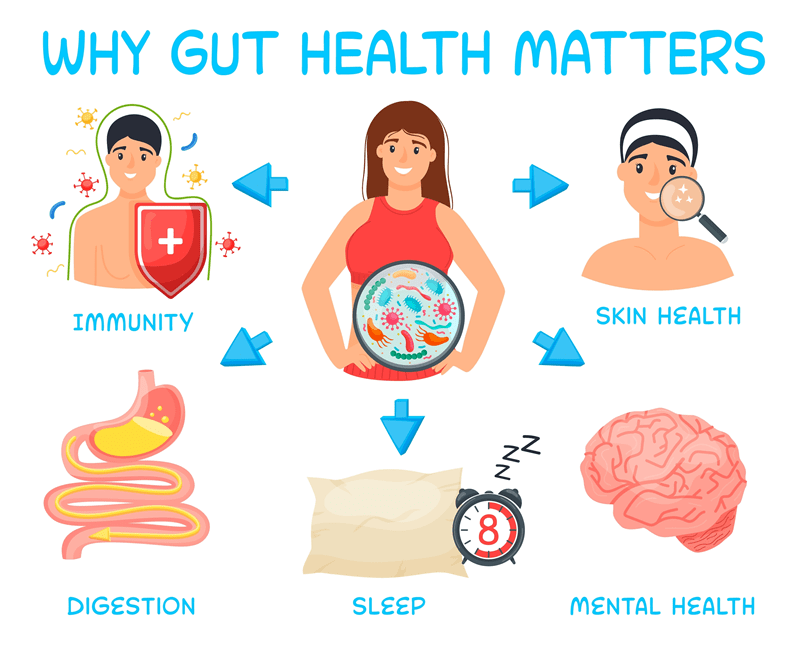
Another reason people talk about the importance of gut health is the link between gut balance and mood. Gut flora produces a large number of hormones and neurotransmitters, among which serotonin is also included. Therefore, the emotional aspect of your well-being is, to some extent, your digestive system's health. A malfunctioning gut can result in you having low energy levels or feeling stressed more.
Many people find that when they work on digestive wellness, their focus is better, they sleep well, and their mood gets more stable. The gut-brain connection explains why eating gut-friendly foods and reducing stress makes such a big difference. When your microbiome is healthy, you experience fewer mood swings and more stable energy throughout the day.
Your immune system is, to a great extent, reliant on your digestive system. The role of a well-balanced microbiome is to help the body recognize and eliminate the dangerous bacteria. Hence, the importance of gut health for immunity is extremely high. Gut health is largely responsible for reducing your body's inflammatory responses and, at times, providing it with healing factors when you are unwell.
Furthermore, a good gut decreases the likelihood of lifestyle diseases, including diabetes, cardiovascular problems, and gastrointestinal issues. Working on your microbiome balance today can be the ticket to your future health. This simple connection shows why taking care of your gut should always be part of your wellness routine.
Although our diets are the major factor in maintaining a healthy gut microbiome, other behaviors, such as how we eat, what type of exercise or physical activity we do, and becoming less stressed, can either give extra support to the gut or its well-being may suffer.
Maintaining good sleep habits helps the digestive system get stronger and makes the overall gut function better.
Our body depends on the gut to perform its functions, such as being responsible for digestion, controlling how well our immune systems react to pathogens or infections, and influencing our mood and general well-being over a long period of time. Keeping a healthy, balanced microbiome helps the organs of the body function properly, thereby creating a more vigorous, fit, and energetic person.
Implementing these minor changes into your daily routine will support your digestive health and help maintain a good mood, healthy immune function, and proper organ function on a daily basis.
To make gut health better naturally, you need to increase the intake of fiber, include fermented foods in your diet, maintain hydration, cut down on sugar, and ensure good sleep every day.
The most typical signs might be: bloating, flatulence, irregularity in bowel movements, feeling of tiredness, getting sick frequently, and changes in mood caused by a poorly balanced microbiome.
Eating gut-friendly foods like yogurt, fruits, vegetables, and whole grains should become a daily habit if you want better digestion and strong immunity.
Probiotics are a good help, but not a necessity. One who maintains a well-balanced diet rich in fiber and includes fermented foods is naturally supporting gut strength and introducing general digestive wellness.
This content was created by AI