

Cardiac problems are threatening, as they do not create much noise before they become severe. The majority of adults' confusion about early cases of heart disease is attributed to fatigue, old age, or stress. However, with the knowledge of the typical heart health warning indicators in adults, it becomes hassle-free to secure your cardiovascular wellbeing before it hits a crisis.
This blog will take you through the symptoms that your body could be indicating, how to identify the symptoms of heart disease early, and what measures should be taken to support heart attack prevention. This could be thought of as a companion whom you can rely on to keep you alert, at ease, and assured of your health.
It is understandable that one feels perplexed when their bodies do not behave in a similar manner. At times, the indications are subtle, such as the feeling of being tired more frequently, and at other times, the indications are abrupt.
The following section will take you through the lightest steps to get you accustomed to the most common symptoms of heart-related conditions that adults may have to learn how to identify what is happening to them.
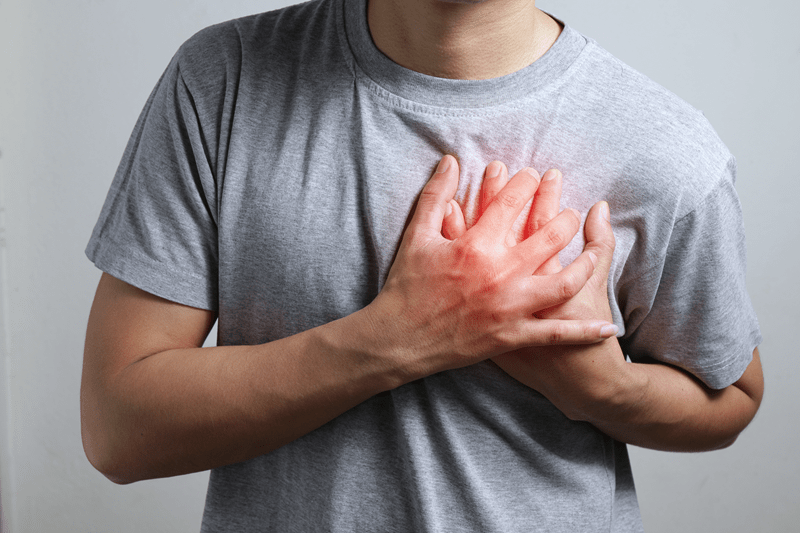
The aches in the chest are not necessarily dramatic. It can be pressurized, heavy, squeezing, or burning. Other individuals refer to it as somebody sitting on my chest. Even the victim complaining of slight pain that passes by itself can indicate a heart issue. Note whether it occurs when you are in motion and when you relax.
Exhaustion is acceptable, whereas frequent and uncommon fatigue may be among the initial signs of heart disease. When you feel tired after taking a rest or when you find that simple things that were once not strenuous are all of a sudden involving, then likely your heart is overworking. This is subtle most of the time to women.
When you suddenly have difficulty walking a short distance or climbing a flight of stairs, then it might be due to the fact that your heart is not pumping efficiently. Most adults disregard this, thinking they are not out of shape, yet it may be one of the most prevalent signs of heart health issues among adults.
Your body is constantly communicating with you. Sometimes the signs are gentle, almost whisper-like. Understanding these signals early can help prevent bigger issues later.
Feeling dizzy when you stand, walk, or move too quickly can be linked to heart rhythm changes or reduced blood flow. If these spells happen often, it’s worth getting checked.
Swelling may be easy to overlook, but it can be a sign of fluid buildup caused by heart problems. When the heart struggles to pump blood properly, fluid can collect in the lower parts of your body.
A fluttering or rapid heartbeat can feel frightening. While stress or caffeine can cause palpitations, frequent episodes may indicate an irregular heartbeat or other cardiovascular issues.
Before major conditions develop, your body tries to alert you. These early signs can help you take action sooner, reducing future risks.
Heart pain doesn’t always stay in the chest. It may spread to your left arm, jaw, shoulder, or back. This is especially important if it happens along with chest pressure or shortness of breath.
Sometimes heart issues show up as nausea, stomach pain, or indigestion. If these digestive symptoms appear with sweating or chest discomfort, they may be connected to your heart rather than your stomach.
Caring for your heart isn’t just about avoiding problems but learning how it works. When you understand your cardiovascular health, you feel more in control and less afraid.
Eating habits, stress levels, exercise routines, and even sleep quality all affect your heart. Small changes can make a big impact over time.
If heart disease runs in your family, your risk may be higher. Knowing this early helps you make proactive decisions.
Knowing what to look for can make the difference between catching something early and experiencing an emergency. This section gives you simple ways to stay alert.
Note down the symptoms, however minor. Trends are important, such as when every week you feel short of breath.
The reason why adults do not go to screenings is that everything is okay. However, frequent examinations will reveal problems that you will not be able to notice. Examinations such as ECGs, blood pressure tests, and cholesterol tests are good indications of what is wrong with your heart.
A heart attack may be rather sudden, but there are numerous warning signs that appear several weeks or months prior to it. The beginning of preventing one begins with awareness.
Stress may constrict blood vessels, as well as enhance inflammation. Even having simple habits such as deep breathing, taking walks, or talking to a friend or family member makes your heart safe.
There is no need to make healthy food complex. Increase the consumption of leafy vegetables, wholegrains, fruits, and lean protein sources. Not only walking around, but having a 20-minute walk makes your heart stronger.
Smoking also causes harm to blood vessels, and excess alcohol causes an additional burden. These habits could be reduced, which could cut your risks to a very large extent.
Your heart labors desperately on your behalf all your life long. Giving attention to abnormal symptoms is not fearful, but rather caring. With an insight into the heart health warning signs that adults are supposed to observe, acknowledging the symptoms of early heart disease, and understanding the early warning signs of heart disease, you can provide oneself with an equal opportunity to live a long, healthy life. Keep in mind that your heart deserves efforts equal to those that you pay to loved ones. Being on your toes is the number one and greatest measure of prevention of a heart attack.
In adults, the most common symptoms that they can notice are chest discomfort, shortness of breath, fatigue, dizziness, and palpitations.
The initial symptoms respond to alteration of lifestyle, therapy, and frequent observation, particularly at an early stage.
In case it occurs during light activities, is progressing, or presents with chest pressure, then it can be heart related.
In case you observe frequent symptoms, chest pain that comes suddenly, or breathing difficulties, call a physician immediately.
This content was created by AI