

The development of powerful, steady, and strong legs is not only convenient for athletes or gym lovers. Everyone has something to gain because it is something you can use when walking up the stairs, moving groceries, or when you want to maintain your energy level during the day. We will also take you through a full leg exercise program that will enhance the body in terms of leg strength and stamina, as well as make you feel more confident with all that you do daily.
We will also discuss workout ideas that you can use when working out your glutes, the basics of training leg strength, and simple ideas of keeping fit in the lower body, even when you are not at the gym. Imaginably, it is your step-by-step power boosting guide to strengthen your lower body.
Healthy legs do not only consider physical appearance. They contribute immensely towards balance, mobility, and general well-being. Prior to dissecting the moves, we should comprehend the reason and importance of a good routine and how it can help you achieve your ambitions.
The orderly routine you follow will make you engage all the key muscles in your lower body, including your quads and hamstrings, to your calves and butt. The stronger the muscles remain, the more active they are, and the better you can move around, react to the surroundings, and the better they can support your joints.
A good number of people can perform with two or three sessions per week. This will allow your muscles ample time to develop and rest, not overstraining your body.
It is always good to learn the basics of lower-body fitness before indulging in particular exercises. This will take you step by step through every movement.
The leg muscles are a strong lot. Your quads will aid in straightening your knees, your hamstrings will aid in straightening them, and your glutes will aid in straightening your right and left.
A warm-up lasts only five minutes and improves blood flow and warms up your muscles. Basic exercises such as marching, leg raising, and mild squats will help in avoiding strain and injury.
Here’s where you start building real strength. These simple exercises can be done anywhere, including at home.
Squats strengthen your thighs, hips, and glutes. Stand tall with your feet shoulder-width apart, slowly bend your knees, keep your chest up, and push through your heels as you rise.
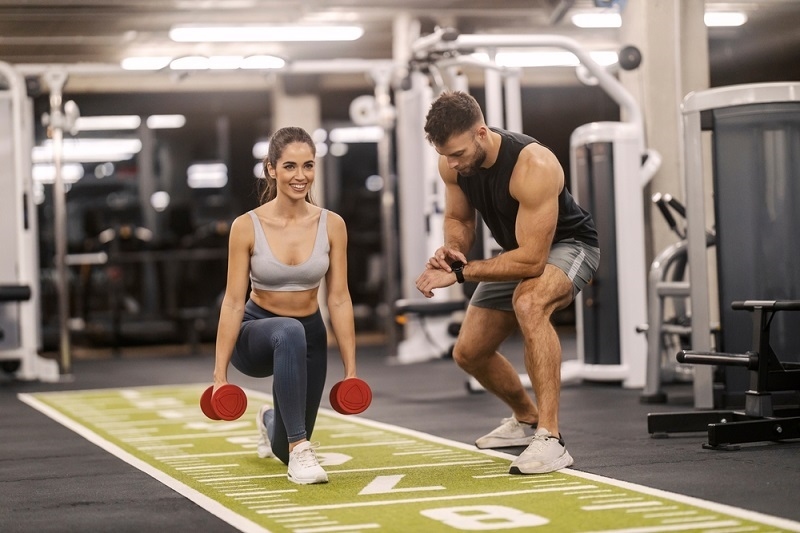
Lunges improve balance while toning your legs. Step forward, bend both knees, and return to your starting position. Alternate legs for the best results.
Let’s take your workout to the next level by gradually increasing difficulty. Progression helps your muscles grow and prevents workout plateaus.
If you feel comfortable, add dumbbells or household items like water bottles. This increases resistance and helps your muscles adapt.
If you’re not using weights, adding 5–10 reps per exercise is a great way to challenge your muscles without equipment.
Your glutes are the foundation of your lower body. They help you walk, run, lift, and even stand with better posture.
Start on all fours and kick one leg upward. This isolates the glutes and strengthens your hip muscles.
Lie on your side, lift your leg straight up, and lower it slowly. This helps build hip stability and glute endurance.
You don’t need a fancy gym to improve your fitness. With a few simple steps, home workouts can be just as effective.
Exercises such as wall sits, step-ups, and calf raises are excellent for people of all fitness levels.
Chairs, stairs, and water jugs can help you create extra resistance without spending money on equipment.
If your goal is not just strength but visible toning and firm muscles, this section will guide you through a balanced approach. Try mixing jumping jacks, brisk walking, or light jogging with strength exercises.
Rushing through movements reduces effectiveness. Slow reps help you feel each muscle working, which gives better toning results.
Endurance makes your legs feel lighter, stronger, and more capable. Whether you love hiking or want easier daily movement, endurance is key.
The high intervals of intensity with a period of relaxation contribute to the creation of stamina in a relatively short time. As an illustration, perform 30 seconds squats followed by a rest of 20 seconds.
One of the best exercises that builds endurance is walking. Increase steps/ distance gradually per week.
Being free of pain keeps you going. Speaking about the safe practice.
Stop the movement and correct posture in case it is uncomfortable (this is not to be considered as muscle burn); however, the adjustments must be carried out gradually.
Tense your hamstrings, calves, and thighs in order to stretch and avoid soreness.
Exercise is a physical as well as a mental activity. Positive thinking makes you remain steady and have fun in your work.
It is a victory even when one gets to do a quick session. These small wins keep you going even in the long run.
Begin with small attainable objectives, such as two workouts per week. The higher you are, the more targets you should have.
The process of strengthening your leg and increasing endurance does not require any complexities. Using a simple and consistent lower-body exercise routine, you are able to improve your lower-body performance, develop confidence, and gain strength in your day-to-day life. This routine will help you feel healthier, tone your legs, or build your glutes, which is why small steps will bring about big changes. Be patient with yourself, be interested in how you are advancing, and always keep in mind that any workout is a workout, and even the small ones.
Most people should exercise two to three times a week so that their muscles have time to rest and develop.
It is indeed possible to have a home-based workout routine that is really efficient without using much equipment and only a few simple things to act as resistance.
The majority of lower-body exercises last 20-40 minutes, depending on intensity, rest period, and variety of exercises.
Yes, it is wonderful to do power exercises with slow and smooth reps that would firm and shape your legs.
This content was created by AI