

If your body feels tight before you even get out of bed, you are not alone. Hours at a desk, scrolling on the sofa, long commutes – all of it adds up. Hips lock up, shoulders round forward, and suddenly tying your shoes feels like a mini workout. That is where focused flexibility exercises come in.
You do not need to be “naturally flexible” or touch your toes on day one. You just need a quiet space, a few minutes and a plan that respects where your body is right now. This guide walks through why stretching really matters, the top moves to try and how to turn them into a simple daily habit that actually sticks.
The goal is not to become a gymnast. The goal is to move through daily life with less effort and less discomfort. That is why flexibility exercises for beginners focus on big, everyday movements: bending, reaching, twisting and stepping.
If you can make these basic moves a little smoother, everything else feels lighter. Getting in and out of the car. Picking up kids. Carrying bags. Even sitting still at work feels better when your muscles are not locked up like concrete.
Think of daily stretching exercises for mobility as basic maintenance, like brushing your teeth. You would not skip toothbrushing for a month and then scrub for an hour. A few minutes each day works better than a long session once in a while.
Before you dive into deeper stretches, it is helpful to get blood flowing. A five minute warm up can be simple:
This light movement prepares your muscles so your flexibility exercises feel more comfortable and effective. Stretching cold muscles too hard can feel sharp or pull in the wrong way. Warming up lets you relax into each position instead of fighting it.
Here are ten simple moves you can use to build your own stretching routine. Move slowly, breathe and never force a painful range of motion. Mild tension is fine. Sharp pain is your signal to back off.
Sit or stand tall. Gently tilt your right ear toward your right shoulder until you feel a stretch on the left side of your neck. Hold for 15 to 20 seconds, then switch sides. Great for people who stare at screens all day.
Place your palm and forearm on a wall with the elbow at shoulder height. Slowly turn your body away from the wall until you feel a mild stretch across your chest and front shoulder. This helps undo the rounded posture many of us get from sitting.
On hands and knees, round your spine toward the ceiling, then gently arch and lift your chest. Flow between these positions with your breath. This is one of the simplest mobility training exercises for the back.
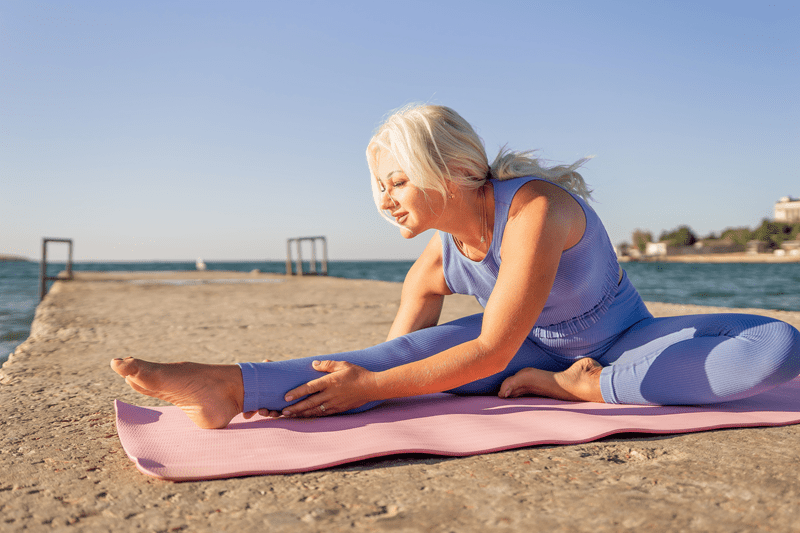
Sit with one leg extended and the other bent. Hinge from your hips and lean toward the straight leg. Keep your back long rather than collapsing forward. You should feel a stretch in the back of your thigh, not sharp pain behind the knee.
From a kneeling position, bring one foot forward into a lunge. Gently shift your weight toward the front leg until you feel a stretch at the front of the back hip. This is a great pick from most flexibility exercises for beginners, especially if you sit a lot.
Lying on your back, cross one ankle over the opposite knee. Thread your hands behind the lower thigh and gently pull toward your chest. This targets tight glutes and can support pain relief exercises for some types of lower back tension.
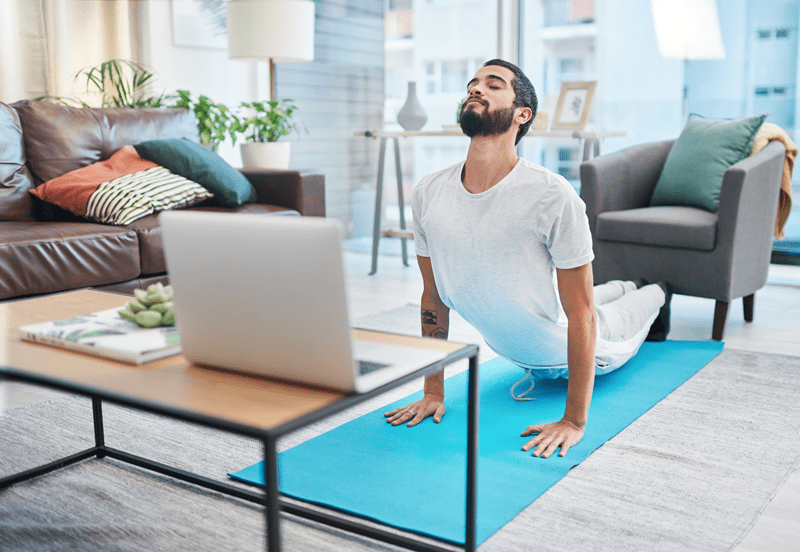
From hands and knees, sit your hips back toward your heels and stretch your arms forward. Let your chest relax toward the floor and breathe. This full body stretch helps release the spine, hips and shoulders at once.
Stand with feet hip width apart. Raise one arm overhead and lean gently to the opposite side. You should feel a stretch along your ribs and waist. Swap sides after 15 to 20 seconds.
Place your hands on a wall, step one foot back and press the heel toward the floor. Keep the back leg straight until you feel a stretch in the calf. Switch sides. Happy calves help with walking, running and balance.
Either seated or lying down, lift one foot and make slow circles with the ankle in both directions. This is one of the easiest daily stretching exercises for mobility, especially if your ankles feel stiff or you are on your feet a lot.
All these flexibility exercises look good on paper, but they only help if you actually do them. The trick is to tie stretching to something you already do. Maybe you stretch for five minutes right after brushing your teeth at night. Or you do a mini session as soon as you close your laptop for the day.
Start small. Two or three moves at a time. As they become automatic, slowly add more. Over time, your simple mobility training routine becomes part of the day instead of a chore you keep postponing.
If you are new to stretching, pick four or five flexibility exercises for beginners from the list and repeat them three times a week. Once that feels easy, you can increase duration or add a few more moves.
Stretching is not a magic cure, but it can play a big role in easing everyday aches. Regular pain relief exercises that focus on gentle lengthening often help with stiffness from long sitting, light muscle strains and post workout tightness.
That said, if pain is sharp, constant, or linked to an injury, it is important to talk with a medical professional or physical therapist before pushing through. Your stretching routine should feel like care, not punishment. Listening to your body is just as important as the moves themselves.
A lot of people think stretching is optional. Nice if you have time, but not essential. In reality, a regular stretching routine does more than help you reach your toes. It supports joint health, improves posture, and can reduce the risk of small, annoying injuries that slow you down.
When muscles are constantly tight, they pull on joints and tendons in weird ways. That is when that dull ache in your lower back or stiff neck shows up. Adding mobility training helps the body move in smoother patterns, so simple things like climbing stairs or lifting groceries feel easier and less creaky.
You also get a mental benefit. Slow, controlled stretching forces you to breathe, pause and check in with how your body feels. That tiny reset can be a surprisingly powerful form of pain relief exercises, especially at the end of a stressful day.
Improving flexibility is less about turning into a yoga expert and more about giving your body room to move. A handful of simple flexibility exercises can make walking, sitting, lifting and even sleeping feel more comfortable. When you combine smart pain relief exercises with regular mobility training, you support your joints, muscles and posture for the long haul.
You do not have to fix everything in one week. Pick a few daily stretching exercises for mobility, link them to moments you already have in your day, and let the results build slowly. Your future self will be very glad you did.
Most people benefit from doing flexibility exercises at least three to five times per week. Short, regular sessions work better than one long session here and there. If you keep stretches gentle, many flexibility exercises for beginners can be done daily without a problem.
A common guideline is to hold each stretch for 15 to 30 seconds and repeat two or three times. For daily stretching exercises for mobility, focus on slow breathing and relaxing into the position instead of bouncing. Over time, you can lengthen the hold if it still feels comfortable.
No, they work best alongside strength and cardio training. A stretching routine supports your workouts by improving range of motion and reducing tightness after exercise. Think of mobility training and stretching as the maintenance work that helps you perform better and feel less sore.
This content was created by AI